Signed in as:
filler@godaddy.com
Prague Spring (1968-1969) was a period of great political change and liberalization within Czechoslovak Socialist Republic (also known as Czechoslovakia, now the Czech Republic and Slovakia), which had been a satellite state of the Soviet Union since the coup d'etat of the communist party in 1948. The region had been struggling with years of economic downturn and social unrest behind the Iron Curtain. President Alexander Dubček attempted to reform the oppressive and totalitarian government by initiating decentralization and loosening restrictions on individual freedoms under a campaign of "socialism with a human face". This was received very poorly by the USSR, who would go on to send half a million Warsaw Pact troops to invade Czechoslovakia to reassert Soviet influence. In response, citizens engaged in creative forms of resistance such as defacing signs and disseminating works of rebellious literature (alongside the occasional Molotov cocktail). Delegates will face the challenge of coordinating the civilian-based resistance against this hostile invasion using their individual skills and influence amongst the people and the government. Whether the Soviets succeed in maintaining their control, or if this is the dawning of a new age for Czechoslovakia is up to them.
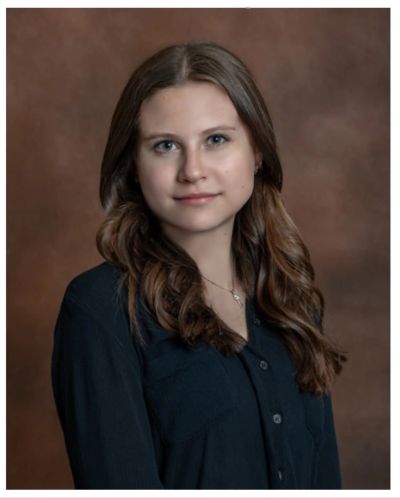
Briella Lucadamo (she/her) is a senior at Emory University from Pittsburgh, Pennsylvania studying Neuroscience & Behavioral Biology. This is her 8th year of involvement in Model UN, having started in her freshman year of high school. She has experience in previous MUNE and ENMUNC conferences as an ACD and chair for GA and Crisis committees, as well as in collegiate competition. Outside of Model UN, Briella spends much of her time in her lab in the cell biology department studying neurons involved in locomotion and volunteering in the local Atlanta community.